New Music Festivals in the UK: A Season Guide
The festival season in new music
A new music festival is a multi-day gathering of contemporary and experimental composed music, and the UK runs 15 or more of them across a season that runs from April to September.
The new music festival is the engine of the field, the place where the new scores are premiered, where the audiences come together and where the composers, ensembles and labels meet in one city at once. This page defines what a new music festival is and maps the UK season, because the festival is the single institution that keeps new music alive in a regional context, and it is the answer to where a listener goes to hear the field. The 15 festivals on the UK calendar run from a 3-day city event to a 10-day national one, and together they are the season a listener can plan around.
The festival is not a concert, it is a season compressed into a few days. A new music festival programmes 10 to 40 concerts across its run, and it is the only place where a listener can hear a full arc of the field in a single weekend, from a solo recital to a 72-piece premiere. The UK season is strong, and the regional context is the point, because the festivals are not all in London, they are in Leeds, Huddersfield, Bristol, York, Bangor and a dozen other cities, and the closeness of a festival to home is what keeps the new music audience coming back.
What a new music festival is
What a new music festival is, in one line, is a season of contemporary and experimental music held in one place over a few days, and the 3 things that make it a festival rather than a concert are the scale, the programme and the community. The scale is 10 to 40 concerts over a run of 3 to 10 days, and the programme is the new scores being premiered and the ensembles performing them. The community is the reason a festival matters, because it gathers the composers, the players and the listeners in one city at once, and the new music field only runs as fast as its festivals do. A new music festival is the field's own institution, and it is the answer to where the new music happens, so this page maps the UK season in full, from the national events to the regional ones that carry the field in every corner of the country.
The UK new music festival season
The UK new music festival season runs from April to September, and the 15 festivals on the calendar are spread across the 4 seasons so a listener can find one in almost any month. The spring opens with the major city festivals, the summer carries the outdoor and the regional events and the early autumn closes the season with the national ones. The UK is one of the strongest festival scenes in the world for new music, and the season is deep, with a festival in every major city and more than one in a few of them. Leeds, Huddersfield, Bristol and London each host a festival of contemporary and experimental music, and the regional ones in York, Bangor and a dozen smaller cities carry the field out to the rest of the country. The season is the answer to when to go, and the list is the one this site keeps current, because a festival line-up changes every year.
The regional festivals that carry the field
The regional festivals are where new music is most alive, because they are the ones a listener can reach an hour from home, and they are the ones that keep the field from being a London story. A regional new music festival programmes the same kind of work as the national ones, the premieres and the ensembles, but it does it in a 600-seat hall or a 200-seat room instead of a 2,000-seat arena, and that scale is the whole point. The regional festivals are the answer to where a listener outside the capital can hear the field, and they are the layer of the season this site is built to document, because the new music festival in a regional city is the festival a domestic listener actually goes to. The UK season is only as strong as its regional events, and the regional festivals are the ones that keep the new music field a national story rather than a capital one. The page on each city, from Huddersfield to Bristol to Bangor, maps the festivals in that city in full.
Why the festival is the engine of the new music field
Why the festival is the engine of the new music field is that the festival is the only place where the new music comes together at scale, because the new score is a live art and it only becomes sound when it is performed, and the festival is the event that gathers the performance, the audience and the commission in one place at once. The 15 festivals on the UK season are the engine, because they are the ones that premier the new work, that pay for it through the commission and that build the audience that keeps the field alive. The festival is the answer to where the new music happens, and it is the engine because nothing else in the field does all 3 things at once. The why is the answer to why the festival matters, and it is the answer that makes the festival the institution the rest of the field leans on, so the listener who follows one festival through a season is following the whole of the new music.
How to plan a season of new music festivals
How to plan a season of new music festivals is to pick one city and one festival and build the year around them, because the festival is the anchor of the new music field and the listener who follows one through a season learns the field faster than the one who chases ten. The 3 steps are to choose a city close to home, to pick the festival that runs in it and to follow that festival's line-up from one year to the next. A listener who does that has a home base in the new music, and the other festivals become the occasional trip rather than the whole season. The festival is the answer to where new music happens, and the season is the answer to when, so the plan is simple, one city, one festival, a full year, and the rest of the season is the bonus. The page on the UK new music festivals maps where every festival on the calendar is, and the page on new music defines the whole field these festivals carry, so the listener who starts here has both a map and a way to plan around it.
Where to start
 1. CONTEMPORARY MUSICNew music in HuddersfieldContemporary music in Huddersfield is carried by a single festival that has anchored the town's new music scene since 1995.
 2. START HEREBristol new music festival in 2026The Bristol new music festival is a free annual festival of new music held in Bristol.
 3. CONTEMPORARY MUSICContemporary Music Festivals in London, explainedContemporary music festivals in London make up the largest cluster of new music events in the UK.
A city's new-music scene profile
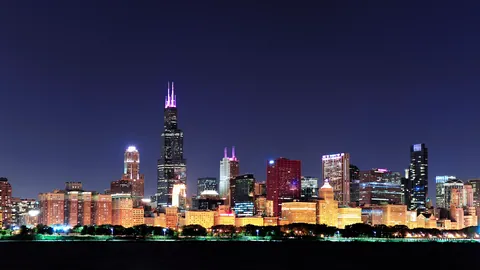 A CITY'S NEW-MUSIC SCENENew music in ChicagoNew music in Chicago is heard across a long tradition that runs back 50 years.
 A CITY'S NEW-MUSIC SCENENew music in BrusselsNew music in Brussels is heard in a small number of dedicated venues and a few annual festivals.
All pages in Festivals & Venues
 WHAT MUSIC FESTIVALS AREThis season's festival cancellationsMusic festivals are cancelled when the cost of running them outgrows the money coming in.
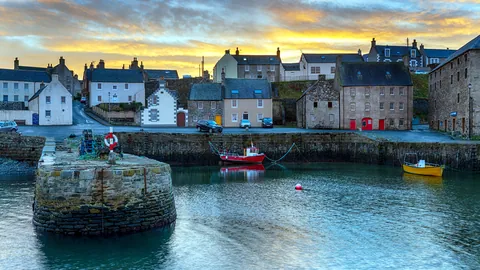 ALL PAGES IN FESTIVALS &Bangor new music festivalThe Bangor New Music Festival was an annual festival of contemporary music held in Bangor.